Effective irrigation is essential for lush landscapes, well-maintained turf, and conservation of our valuable water resources. Be it a private property, manage commercial grounds, or administer vast landscapes, hiring professional landscape contractors for irrigation systems ensures that your watering needs are met with attention, environmental responsibility, and expert care. This comprehensive guide will guide you through everything you should understand—from system types to modern technology, usual issues, and key factors to consider when picking the right contractor for your irrigation project.
Why Choose a Specialized Landscape Contractor for Your Irrigation System?
Engaging expert landscape contractors for irrigation systems delivers unique benefits that go beyond mere installation. These professionals provide proficiency in irrigation installation, system design, maintenance, repair, and optimization to increase water efficiency and landscape health.
Accurate irrigation system design includes careful assessment of soil types, landscape grading, and water pressure to design tailored irrigation zones configured for efficient watering. Consistent irrigation maintenance performed by experts prevents costly repairs and improves system longevity. Contractors also specialize in troubleshooting irrigation problems and making system upgrades that boost performance and reduce water waste.
Key reasons of using experienced irrigation contractors are:
- Specific irrigation system plans designed for your landscape’s specific needsAccess to advanced irrigation technology such as smart controllers and moisture sensorsImproved water conservation through irrigation audits and optimization techniquesProfessional repair services to efficiently address leaks, valve issues, and broken sprinkler headsAssured quality workmanship supported by industry certifications and standards
Types of Irrigation Systems We Set Up and Manage
Skilled contractors offer a variety of irrigation system options to fulfill different landscaping requirements. Selecting the right system considers your property size, plant types, water availability, and conservation goals.
- Sprinkler Systems: Flexible and excellent for turf irrigation, these systems evenly deliver water using sprinkler heads connected to underground piping. Drip Irrigation: This conserving method delivers exact watering right to plant roots through drip emitters, excellent for gardens and shrub beds. Turf Irrigation: Designed specifically for lawns, turf irrigation systems preserve healthy grass with effective water distribution. Micro-Irrigation: Suitable for tender plants, micro-irrigation carefully waters small areas cutting runoff and evaporation. Underground Irrigation: Buried piping systems provide hidden watering solutions that cover equipment and lessen tripping hazards. Flood Irrigation: Frequently utilized in agricultural or large landscape areas, flood irrigation delivers water across broad surfaces, though rarer due to lower water efficiency.
Sprinkler Heads, Valve Manifolds, and Equipment Components
Grasping key irrigation components enables you to recognize what professional installation involves. Common elements are:
- Sprinkler Heads: Accessible in fixed, rotating, and pop-up models for targeted watering patterns. Valve Manifolds: Central hubs managing the flow to different irrigation zones. Irrigation Valves: Automated or manual valves control water distribution and avoid leaks. Irrigation Pumps: Vital for properties requiring pressurized water delivery. Irrigation Controllers & Water Timers: Configure watering schedules to optimize timing according to weather and plant needs. Backflow Preventers: Safeguard drinking water supply by preventing contaminated irrigation water from flowing back into the main system.
Advanced Irrigation Technology and Smart Irrigation Solutions
Up-to-date irrigation systems incorporate cutting-edge technology to boost water efficiency and convenience. Top smart irrigation features consist of:
- Soil Moisture Sensors: Detect soil wetness to change watering automatically, avoiding overwatering. Irrigation Scheduling: Advanced controllers support customized daily or seasonal schedules based on plant and climate needs. Rain Sensors: Automatically pause watering during rain events to preserve water. Automated Watering: Integration with smart home systems for remote control and monitoring via mobile devices. Irrigation Technology Innovations: From Bluetooth-enabled controllers to AI-driven irrigation management platforms, contractors stay abreast of latest solutions to deliver efficient landscape watering.
Water Conservation and Efficient Watering Techniques
Water conservation is integral to sustainable landscaping. Professional irrigation contractors implement multiple strategies such as xeriscaping, irrigation optimization, and water management practices to reduce wastage without compromising landscape aesthetics.
Efficient watering techniques include:
- Conducting irrigation audits to detect leaks, mismatched spray patterns, or inefficient zones.Making seasonal watering adjustments based on evapotranspiration rates and plant requirements.Incorporating water pressure regulators to keep consistent flow and stop system damage.Integrating landscape drainage solutions to prevent water runoff and soil erosion.Adapting irrigation to soil types and moisture retention capabilities for best hydration.
Contractors also recommend integrating xeriscaping principles—landscaping with drought-resistant plants and minimal turf—with advanced irrigation to maximize water savings.

Common Irrigation Problems and How Our Contractors Solve Them
Irrigation systems may face challenges like broken sprinkler heads, clogged valves, inaccurate scheduling, or uneven water distribution. Our experienced contractors provide expert troubleshooting and repair services to fix issues quickly.
Typical irrigation problems and solutions include:
- Sprinkler Repair: Installing damaged heads and clearing blocked nozzles to bring back proper spray coverage. Irrigation Upgrades: Retrofitting old systems with smart controllers, moisture sensors, or more efficient emitters. Irrigation Maintenance: Regular inspection and flushing of valves and pipes to reduce leaks and clogs. Water Runoff Mitigation: Adjusting system timing and spray angles to minimize overspray onto hard surfaces. Irrigation Troubleshooting: Comprehensive diagnostics to detect uneven watering or pressure issues.
What to Expect During Your Irrigation System Installation or Repair Project
Comprehending the installation or repair process enables you to prepare and work efficiently with your contractor. Key steps include:
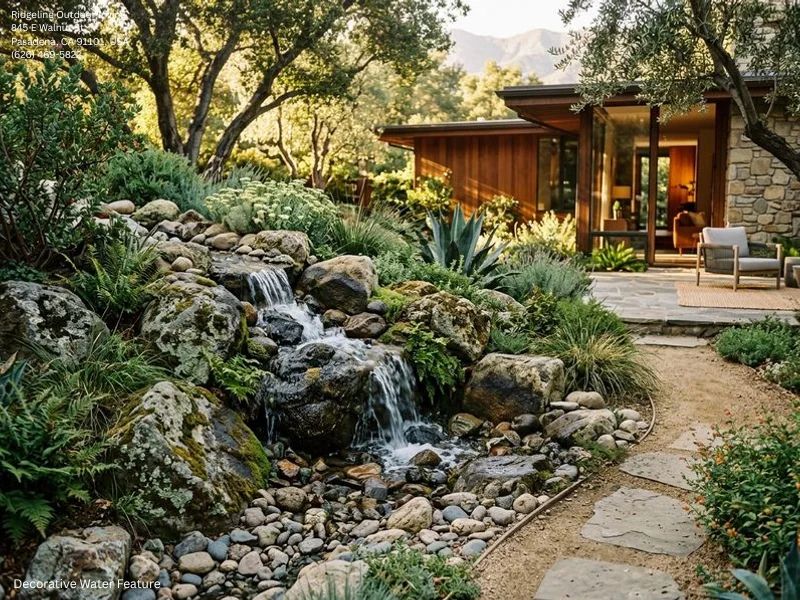
- Irrigation Installation Process: Location inspection, landscape leveling to confirm correct water flow, excavating for underground piping, and device setup. Irrigation Zones Setup: Separating the landscape into zones based on vegetation category, sunlight exposure, and earth quality to improve watering plans. Irrigation Project Planning: Picking ideal irrigation equipment factoring in water source, pressure, and environmental factors. Timeline for Irrigation Projects: Typically spanning a couple of days to a few weeks, based on system complexity and property size.
Your contractor will provide you with detailed project plans, timelines, and regular communication to secure the successful completion of your irrigation system installation or repair.
How to Choose the Right Landscape Contractor for Your Irrigation Needs
Hiring a experienced landscape contractor for irrigation systems is critical for lasting success and water efficiency. Keep in mind these important factors:
- Qualities of Top Irrigation Contractors: Background, professionalism, customer service, and technical expertise in irrigation installation and maintenance. Certifications and Irrigation Standards: Look for licensed irrigation specialists complying with recognized standards such as those from the Irrigation Association (IA). Customer Reviews and Testimonials: Assess reputation and satisfaction among previous clients for credible assurance. Cost Considerations: Obtain comprehensive estimates including materials, labor, and warranties to make informed financial decisions. Service Guarantees: Reliable contractors back their workmanship with guarantees providing repairs and ongoing support. Irrigation Design Expertise: Capability to create customized, water-efficient system layouts optimized for your landscape.
By carefully evaluating these criteria, you can engage a trusted partner who will offer an irrigation system that satisfies your functionality, conservation, and aesthetic goals.
Frequently Asked Questions About Landscape Contractors for Irrigation Systems
What does a landscape contractor do for irrigation systems?
They focus on designing, installing, maintaining, repairing, and upgrading irrigation systems customized for your landscape’s specific water needs, guaranteeing optimal and reliable watering.
What is the typical cost of irrigation system installation?
Costs vary depending on system type, property size, and complexity but generally range from a few thousand dollars for basic residential systems to larger expenses for hardscaping tips large or commercial projects. A professional contractor can give a precise estimate.
Which irrigation systems are the most water-efficient?
Drip and micro-irrigation provide efficient watering by targeting roots and limiting evaporation or runoff. Modern smart irrigation tech increases overall watering efficiency.
How regularly should irrigation systems be checked and serviced?
Inspecting and maintaining irrigation systems twice yearly—usually pre- and post-watering season—is advised to maintain peak performance and detect problems early.
Can irrigation systems be automated, and what technology is involved?
Yes, many modern systems use controllers, water timers, soil moisture sensors, and rain sensors to automate watering commercial landscape contractors schedules, saving time and water while improving plant health.
What are the signs that my irrigation system requires repair or replacement?
Signs include uneven watering, pooling water or runoff, broken sprinkler heads, increased water bills, and patchy lawn or plant health. It is recommended to have a contractor perform a detailed inspection.
Can you get rebates or financial incentives for installing water-efficient irrigation technology?
Numerous local authorities and water utilities provide rebates or incentives when efficient irrigation systems like smart controllers or drip irrigation are installed. Your contractor can help identify available programs.
SummaryEngaging expert landscape contractors for irrigation systems is essential for achieving water-efficient, healthy, and beautiful landscapes. With wide-ranging system options, advanced technology, and proven maintenance practices, professional contractors deliver customized solutions that conserve water, reduce costs, and enhance turf and garden vitality. By understanding the installation process, troubleshooting common issues, and knowing how to choose the right contractor, you set your property up for sustainable irrigation success. Contact a reputable landscape contractor today to discuss your irrigation needs and transform your watering approach for years to come.
Ridgeline Outdoor Living
Ridgeline Outdoor Living is a Pasadena-based landscape design-build company serving Greater Los Angeles with custom outdoor living, hardscape, and drought-tolerant landscape solutions. The company specializes in patios, retaining walls, outdoor kitchens, drainage, hillside projects, and turnkey landscape construction, handling projects from design and permitting through final build and warranty.
Address:
845 E Walnut St,
Pasadena,
CA
91101,
United States
Phone: (626) 469-5822
Map: View on Google Maps
Business Hours:
- Monday – Saturday: 8:00 AM – 6:00 PM
- Sunday: Closed
Follow Us: